
Your journey to parenthood begins with specialist care
Aya Fertility & IVF Centre in Jeddah
At Aya Fertility & IVF Centre in Jeddah, we assess and treat delayed conception, with ICSI and IVF, in treatment plans that suit each case, and a specialist medical team beside you through every stage of the journey.


A specialist embryology lab inside the hospital
Aya Fertility & IVF Centre in Jeddah has a specialist embryology lab inside the hospital, close to the egg-collection rooms, which helps organise the transfer of samples and reduces the steps they take between separate facilities.
Laboratory procedures follow approved protocols for monitoring lab conditions and handling samples, with coordination between fertility doctors and embryologists at every stage of treatment.
What we do
Every fertility service, under one roof
Eight services cover the whole path: investigation, treatment, the laboratory, preservation and male fertility.
 Service 01
Fertility consultation & hormone testing
Where every journey starts. A full history for both partners, hormone profiling (AMH, FSH, LH, thyroid, prolactin), a pelvic ultrasound and an antral follicle count. You leave the first visit knowing what we found and what the options are.
Ask about this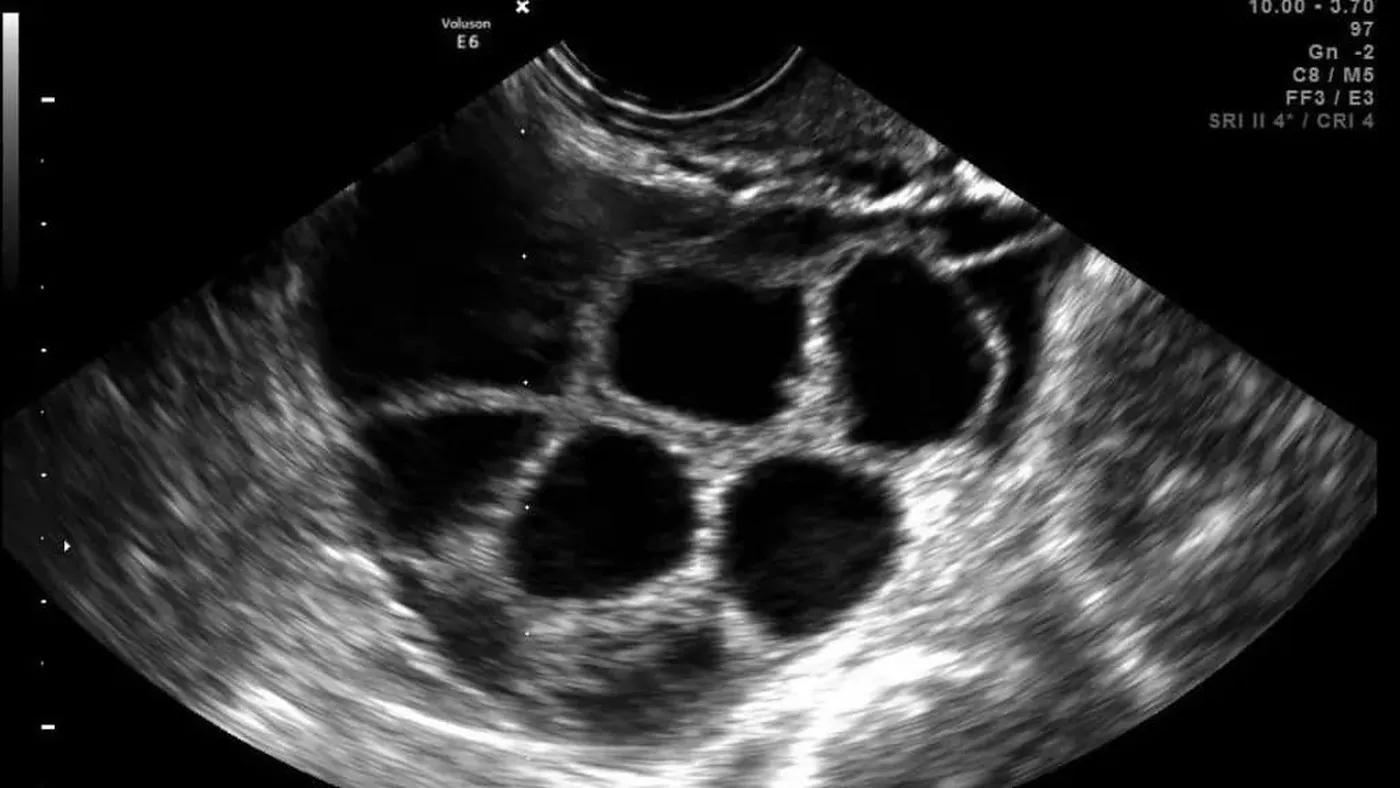 Service 02
Ovulation induction & cycle tracking
For women who ovulate irregularly or not at all. Tablets or low-dose injections encourage the ovary to release an egg, tracked by ultrasound so we know exactly when it happens. Often the first and simplest thing to try.
Ask about this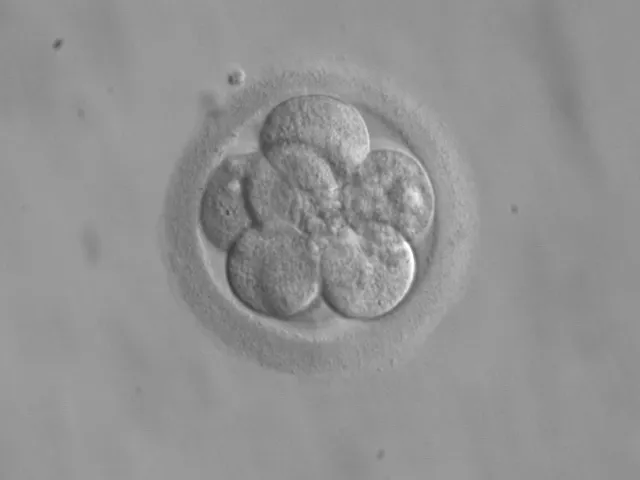 Service 03
In vitro fertilisation (IVF)
Eggs are collected, fertilised with sperm in our own laboratory, and the resulting embryo returned to the uterus. The full cycle takes about three weeks from the first injection to the transfer.
Ask about this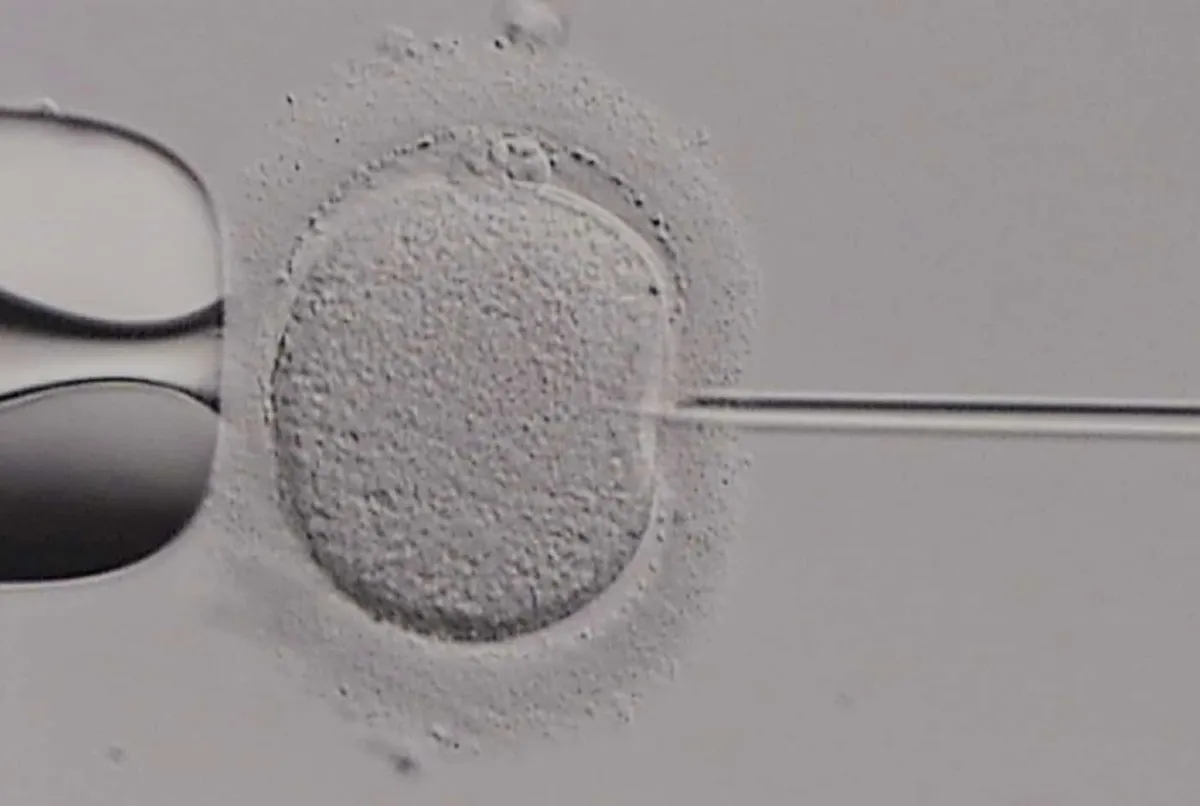 Service 04
Intracytoplasmic sperm injection (ICSI)
A single sperm is injected directly into an egg using a micromanipulator. It helps when sperm count or movement is low, when previous IVF did not fertilise the eggs, or when sperm was retrieved surgically.
Ask about this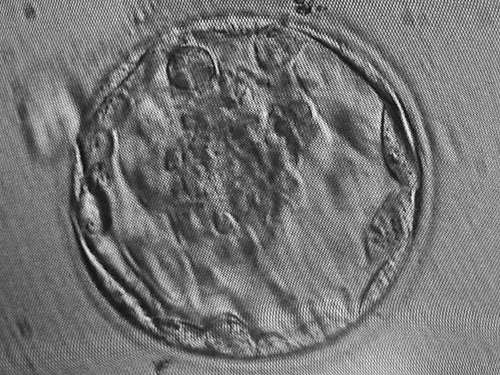 Service 05
Blastocyst culture & embryo grading
Embryos are grown to day five, when the strongest can be identified. Culturing longer lets us transfer one embryo with confidence instead of two with hope, which helps keep twin pregnancies rare.
Ask about this Service 06
Preimplantation genetic testing (PGT)
A few cells are taken from a day-five embryo and tested before transfer, either for chromosome number (PGT-A) or for a specific inherited condition in the family (PGT-M). It can be especially helpful after recurrent miscarriage or at older maternal age.
Ask about this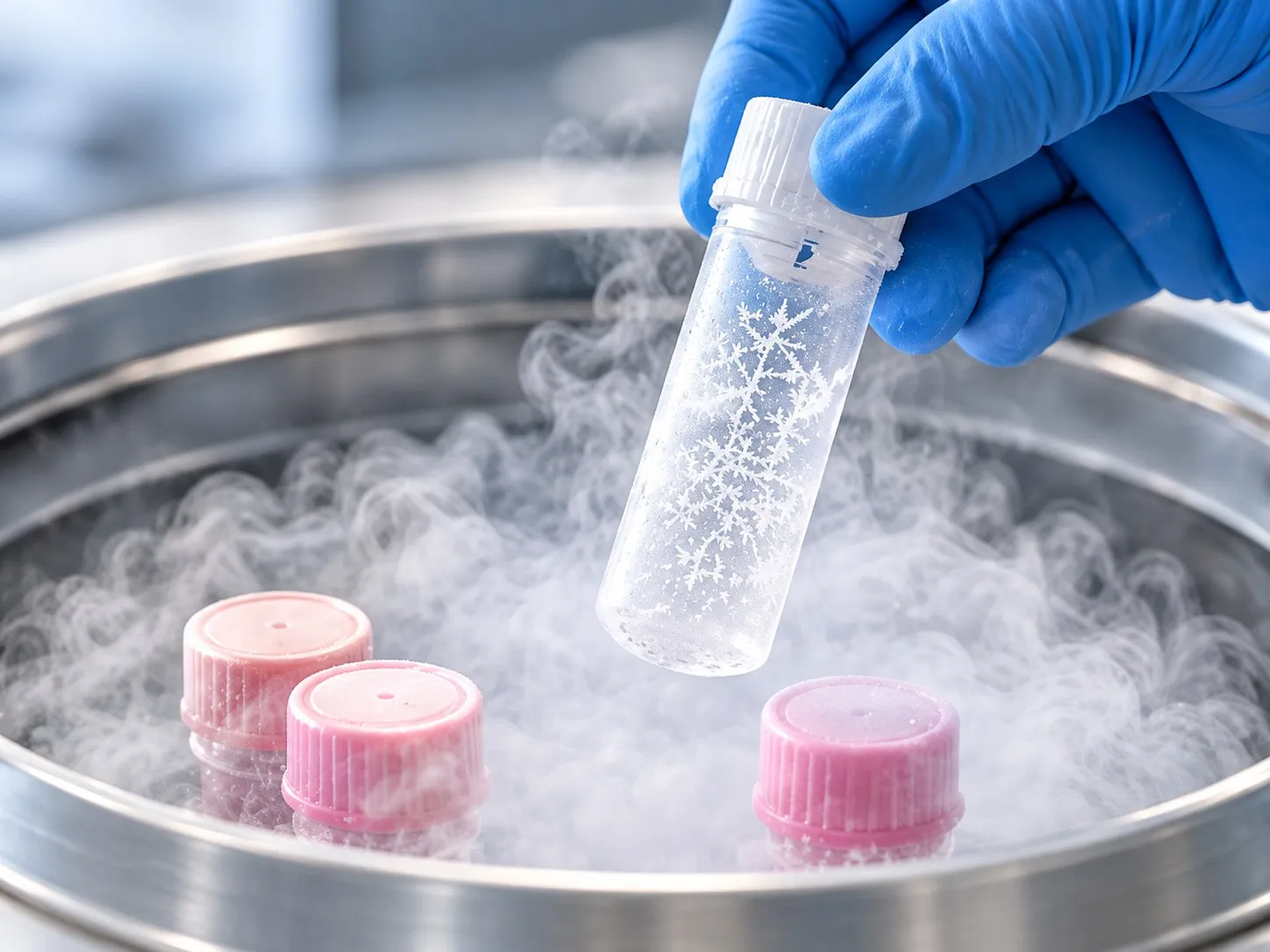 Service 07
Embryo freezing & frozen transfer
Spare embryos are vitrified for later. Flash-freezing in seconds avoids the ice crystals that harmed embryos under older slow-freeze methods. A frozen transfer in a natural or lightly medicated cycle is gentler than a fresh one and, for many patients, works at least as well.
Ask about this Service 08
Male fertility evaluation & andrology
Semen analysis to WHO criteria, DNA fragmentation testing, hormone profiling and clinical examination. Around a third of infertility is male in origin and another third involves both partners, so we assess both from the beginning.
Ask about this
Microscopy images for services 03 and 05: Wikimedia Commons. 8-cell embryo (ekem, RWJMS IVF Program): public domain. Blastocyst: Harimiao, CC BY-SA 3.0.
The embryology lab: careful attention at every stage
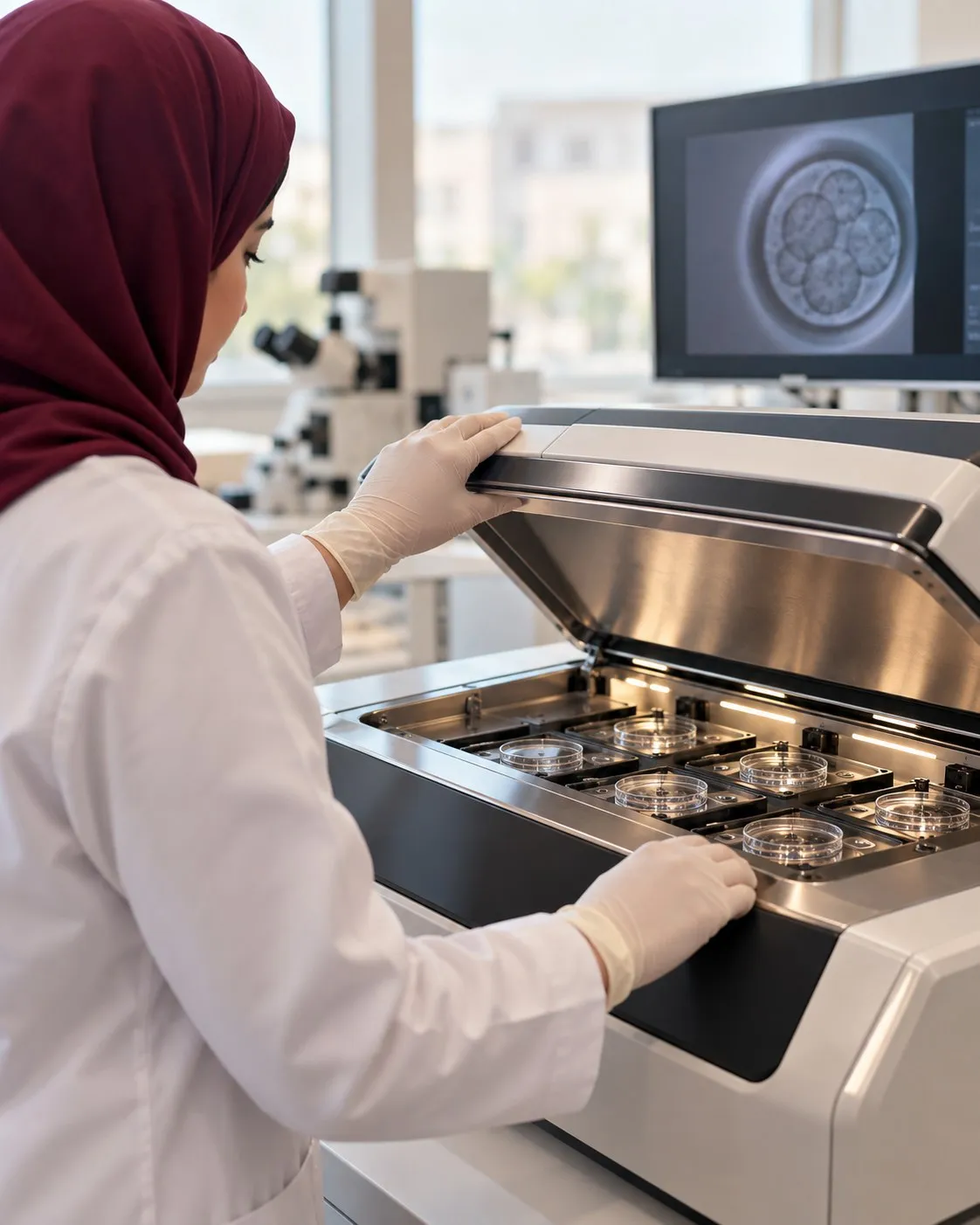
Aya Fertility & IVF Centre in Jeddah has a specialist lab for handling eggs, sperm and embryos through the stages of assisted reproduction. Monitoring the lab environment, precise procedures and verifying sample identity are key to the quality and safety of lab work.
- A monitored lab environment
Environmental conditions in the lab are monitored under quality-control procedures, including air quality and other factors that may affect how eggs and embryos are handled.
- Monitoring embryo incubation
Incubator conditions, including temperature and gas concentration, are followed to help provide a suitable environment for embryos to grow in the lab.
- Following embryo development
Embryologists follow the stages of development using suitable lab assessment methods, to help decisions about culturing, transferring or freezing them.
- Verifying sample identity
Procedures verify the identity of samples at the critical stages of treatment, to reduce the risk of error and keep handling safe.
- Embryo freezing techniques
Freezing techniques are used to preserve suitable embryos for future use, according to medical assessment and approved lab procedures.
The team
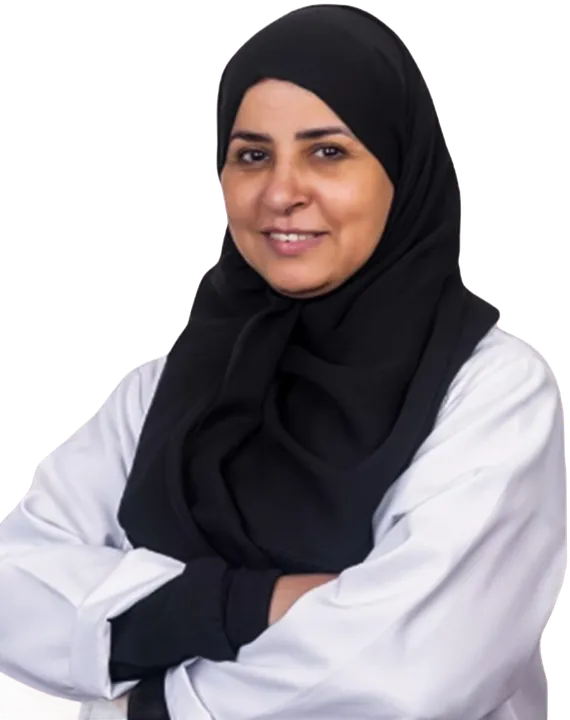
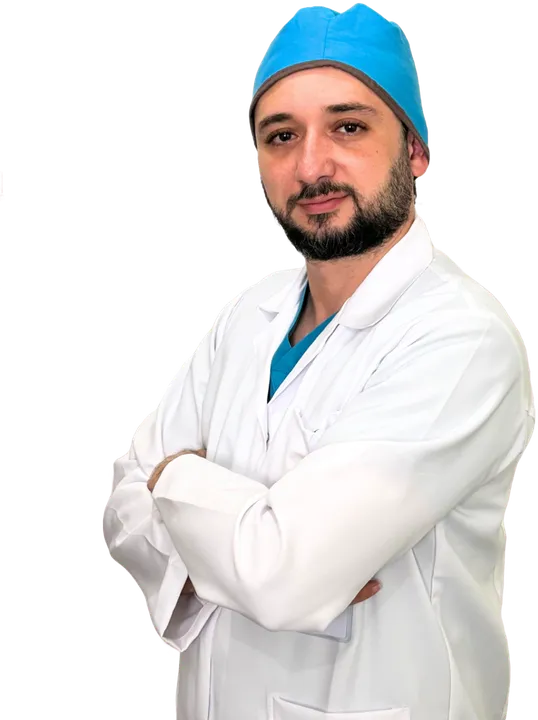
Our fertility doctors
The IVF guide
Everything you need to understand your fertility journey: how treatment begins, what each step involves, and clear answers to the questions couples ask us most.
Read the IVF guide“My journey” in the Aya app
Today’s plan, your doses and a guide to every stage of your fertility journey, on your phone.
About the appBook a visit
Book in a minute
Choose the reason and the time that suits you, and we’ll send your request to the booking team on WhatsApp. They’ll call you to confirm.
In an emergency, come straight to Aya’s emergency department — open 24/7.